Loading...
Serving Morro Bay, CA and surrounding areas. (805) 269-8878
Morro Bay Concrete Construction is a licensed concrete contractor serving Lompoc, CA, building and repairing retaining walls, driveways, patios, and foundations for homes throughout the Lompoc Valley.
We know the wet-dry soil cycle, coastal fog, and aging postwar housing stock that drive concrete work in Lompoc, and we respond to every estimate request within one business day.
Most homes in Lompoc were built during the postwar decades when Vandenberg was expanding and the city was growing fast. That housing stock is now 45 to 70 years old, and the concrete work from that era - driveways, walkways, patio slabs, and retaining walls - is showing its age across most of the residential neighborhoods.
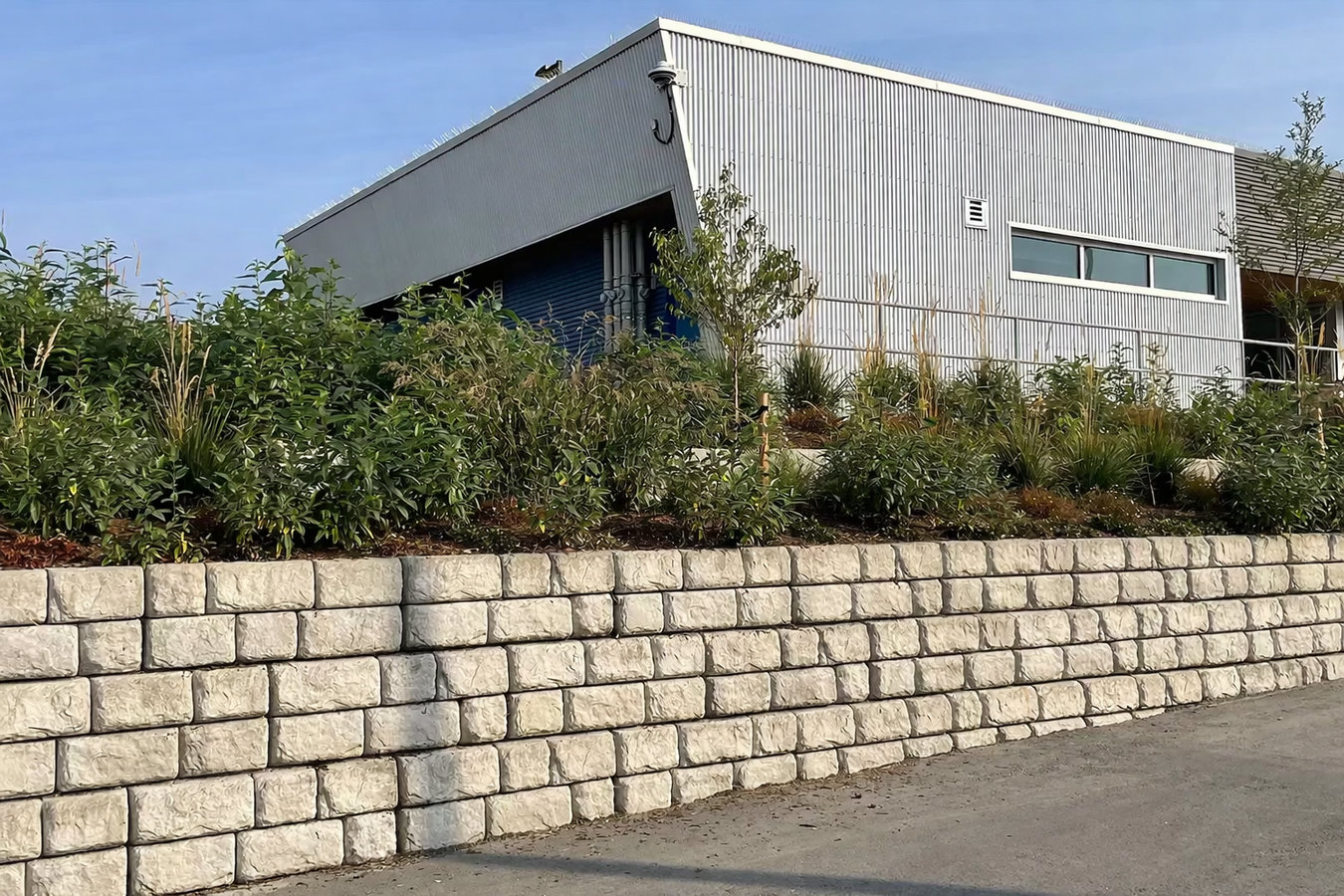
Retaining walls in Lompoc are most often needed at raised planters in front yards, along property lines where neighboring lots sit at different elevations, and at the backs of garage pads cut into higher ground. The saturated clay-influenced soils here put real lateral pressure on walls during the wet season, and any wall without proper drainage behind it will lean and crack within a few years. Our concrete retaining walls are built with drainage aggregate and weep holes to relieve that pressure through every wet winter Lompoc delivers.
A large share of driveways in Lompoc were poured in the 1960s and 1970s without modern joint spacing or base depth standards, and decades of wet winters followed by bone-dry summers have cracked and shifted them. Replacing an aging driveway with a properly designed concrete slab - compacted base, control joints at the right intervals, and drainage slope built in - prevents the same cracking cycle from repeating on the new surface. Many Lompoc driveways also serve attached garages where limited lot space means careful staging of the pour.
Lompoc's warm, dry summers make outdoor living genuinely pleasant for most of the year, but the coastal fog that moves through the valley in the mornings keeps exterior surfaces damp longer than homeowners expect. A patio that drains properly and has a sealed surface handles that moisture without developing the surface scaling and crack widening that happens when fog-season dampness sits on unsealed concrete for months at a time. Backyard patios on the typical 5,000 to 8,000 square foot lots in Lompoc also benefit from a broom finish that stays safe underfoot on damp mornings.
Older neighborhoods in Lompoc - especially the blocks near downtown with smaller lots and homes built closer together - have sidewalks lifted by tree roots and cracked by decades of soil movement. The city sidewalk network includes sections that are flagged for repair as a trip hazard, and homeowners adjacent to those sections are sometimes required to address them. New sidewalk sections poured with adequate base compaction and proper joint placement stay level through the seasonal soil movement that has been working on the existing ones for 50 years.
Adding a new fence, pergola, carport, or outbuilding to a Lompoc property requires footings poured deep enough to account for the soil conditions in this area. The expansive soil that causes slab cracking can also push shallow footings upward over time if they are not set below the active zone. For any attached structure or retaining wall addition, proper footing depth and reinforcement are what separate a project that stays plumb for 20 years from one that starts to lean after the first wet season.
Some of Lompoc's older homes - particularly the ranch-style tract houses built in the 1960s - sit on foundations that have settled unevenly over decades. A settled foundation shows up as sloping floors, sticking doors, and cracks running from window corners. If your home was built during the Vandenberg expansion years and you are noticing these signs, a foundation evaluation can determine whether raising or stabilization is the right approach before the problem progresses further.
Lompoc sits in a valley about 15 miles from the Pacific Ocean, and the climate here is shaped by that proximity. Coastal fog moves through the valley most mornings, keeping surfaces damp well into the day, then the afternoon sun dries everything out. That daily moisture cycle, combined with seasonal rainfall concentrated between November and March, puts concrete through a repeated wet-and-dry stress test all year long. Soils in the valley retain moisture after rain and then contract as they dry, and concrete that was poured without adequate base preparation or joint spacing cracks as the ground shifts beneath it. Most of the flatwork on homes built during the 1960s and 1970s was laid to the standards of the day, which were not designed with this kind of soil behavior in mind.
The city's connection to Vandenberg Space Force Base has also shaped the housing stock in ways that affect maintenance needs. A significant share of Lompoc's homes have been rental properties for much of their lives, cycling through military families who stay a few years and move on. Rental properties tend to accumulate deferred maintenance over time, and concrete work is often among the last things to get attention on a rental home. When an owner does finally address it, the job tends to be larger in scope than a home that has been owner-occupied and consistently maintained. We see this regularly in Lompoc - a driveway job that turns into a driveway plus a retaining wall plus a set of entry steps, all needing work at the same time.
Our crew works throughout Lompoc regularly, and we understand the local conditions that affect concrete work here. Permits for structural work in Lompoc run through the City of Lompoc Community Development Department, and we pull those permits routinely for retaining walls, driveway aprons, and foundation work. Understanding the process there - the typical review timelines, what drawings are required, and what inspections are triggered - keeps jobs moving without delays that frustrate homeowners.
We work across all of Lompoc's residential neighborhoods - from the older streets near downtown where the murals are painted on commercial buildings, to the residential blocks east of H Street, to the neighborhoods closer to Vandenberg where the postwar tract homes are most concentrated. Ocean Avenue and H Street are the main corridors we travel most often for jobs on the north and east sides of the city.
We also serve homeowners in Santa Maria to the south, and we work regularly in Solvang in the Santa Ynez Valley. If you are just outside Lompoc proper, call us - we cover the full surrounding area.
Reach us by phone or through our online form and describe what you need. We respond to every Lompoc estimate request within one business day.
We visit your property in Lompoc, assess the soil conditions and existing damage, and provide a written estimate with no obligation. This is where we address the scope and cost upfront so there are no surprises later.
Where a city permit is required, we handle the application with the Lompoc Community Development Department and schedule the job once approval is in hand. You do not need to be home for every step, and we will keep you informed throughout.
We complete the pour, give you clear curing instructions (24 to 48 hours for foot traffic, seven days for vehicles), and do a final walkthrough with you before we consider the job done.
We serve homeowners throughout Lompoc and the surrounding valley. Call us or submit your project details and we will get back to you within one business day with a straight answer and a fair estimate.
(805) 269-8878Lompoc is a city of roughly 42,000 people in the northern part of Santa Barbara County, sitting in a valley shaped by the Santa Ynez River and flanked by hills on three sides. The city is best known in California for two things: Vandenberg Space Force Base to the northwest, which is one of the largest employers in the region and the primary reason the city expanded so rapidly during the 1950s, 1960s, and 1970s; and the surrounding flower seed fields that bloom every summer, a tradition celebrated each June at the Lompoc Valley Flower Festival. The downtown area is also known for its collection of large outdoor murals on commercial building walls - a local art tradition that has made Lompoc recognizable to visitors across the Central Coast.
The residential neighborhoods in Lompoc are primarily single-family ranch homes on modest suburban lots, with most of the housing stock dating from the postwar boom years. Homes closer to downtown tend to sit on smaller lots with less setback, while neighborhoods east of Highway 1 have slightly larger yards. The combination of aging housing and a historically high renter-occupancy rate means deferred maintenance is common across the city. Lompoc is also within easy reach of the wine country towns of the Santa Ynez Valley, including Solvang, and sits south of Santa Maria on the US-1 corridor.
Durable driveways built to handle daily traffic and coastal weather.
Learn MoreCustom patios that extend your outdoor living space beautifully.
Learn MoreSafe, level sidewalks installed to code for homes and businesses.
Learn MoreProfessional interior floor pours for homes, shops, and warehouses.
Learn MoreSolid entry steps and staircases crafted for lasting curb appeal.
Learn MoreEngineered concrete slabs that give your structure a stable start.
Learn MoreLong-lasting commercial lots that handle heavy loads with ease.
Learn MoreCall us or submit an estimate request today. We serve all of Lompoc and respond within one business day.