Concrete Leveling
Lift and stabilize sunken concrete without the cost of replacement.
What Is Concrete Leveling and How Does It Work?
Concrete leveling is a fast and affordable way to fix sunken or uneven slabs without tearing them out. Over time, soil beneath concrete can settle, wash away, or compress, causing the slab to sink. This creates uneven surfaces, trip hazards, and drainage problems. Instead of breaking up and replacing the concrete, we inject a material under the slab to lift it back to its original level. The process takes a few hours instead of several days, and you can use the surface right away.
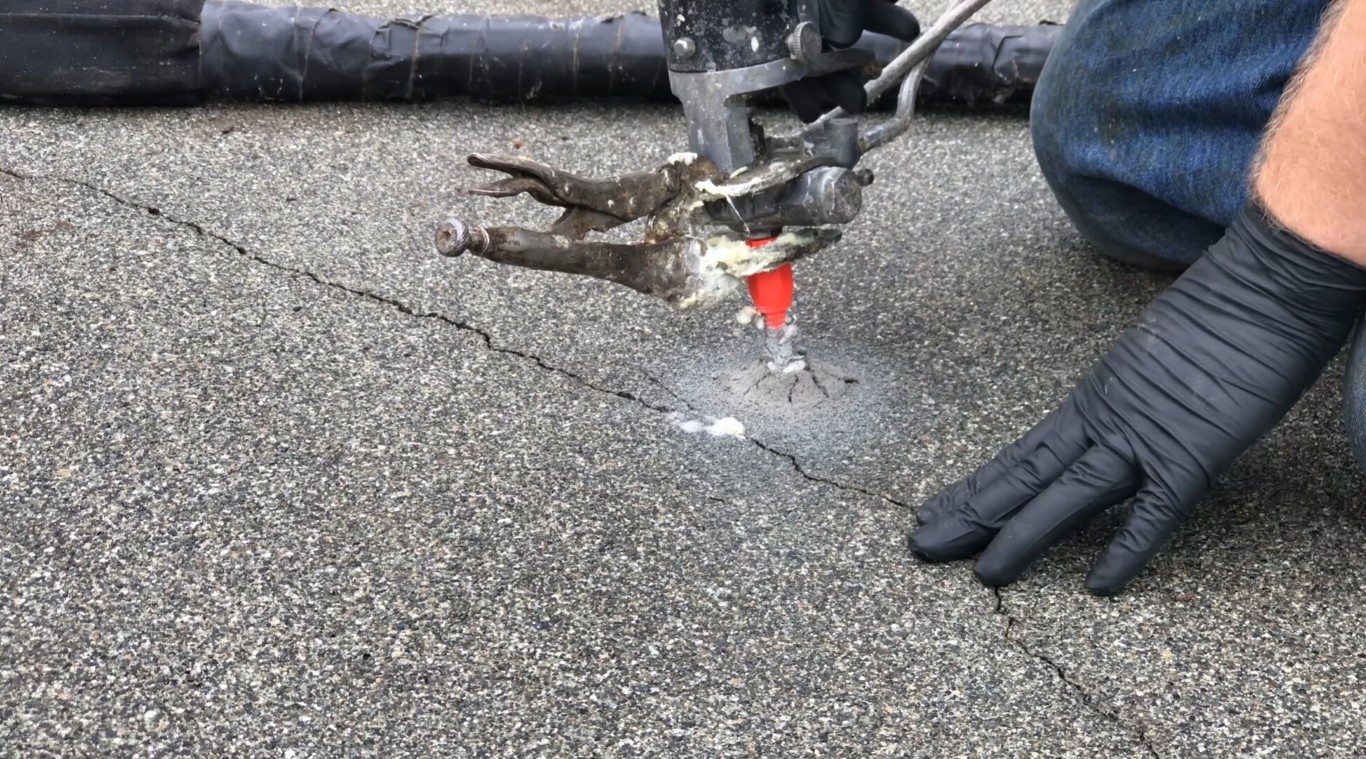
We use a technique called mudjacking or polyurethane foam injection. Small holes are drilled into the sunken slab, and material is pumped underneath. As the material fills the voids and expands, it lifts the concrete back into place. Once the slab is level, the holes are patched, and the job is complete. This method works on driveways, sidewalks, patios, and other flatwork. It costs a fraction of replacement and causes minimal disruption to your property.
Common Signs You Need Concrete Leveling
- Uneven or sunken slabs that create trip hazards
- Water pooling on your driveway or patio instead of draining away
- Gaps between the concrete and your foundation or steps
- Sloping walkways or driveways that tilt toward your home
- Cracks caused by uneven settling and stress on the slab
Why Choose Leveling Over Replacement?
Replacing a sunken slab means tearing out the old concrete, hauling it away, preparing the base, pouring new concrete, and waiting for it to cure. That process takes days and costs thousands of dollars. Leveling, on the other hand, is much faster and more affordable. If your concrete is still in good shape but just settled unevenly, leveling is the smart choice. You save time, money, and avoid the hassle of a full replacement.
Leveling also solves the root problem by filling voids under the slab. This prevents further settling and adds stability to the concrete. You can use the surface immediately after we finish, so there is no downtime. The patched holes blend in with the rest of the slab, and the work is barely noticeable. For homeowners who want a quick, cost-effective fix, concrete leveling is often the best option.
However, leveling is not always the right solution. If your concrete is severely cracked, broken, or too far gone, replacement might be necessary. We assess each situation honestly and recommend the best approach for your property. If leveling can extend the life of your concrete and save you money, we will tell you. If replacement is the better long-term investment, we will explain why.
How We Level Your Concrete
We start by inspecting the sunken areas and determining the cause of the settlement. Sometimes soil erosion or poor compaction is to blame. Other times, tree roots or plumbing leaks wash away material beneath the slab. Understanding the cause helps us prevent future problems. Once we know what we are dealing with, we prepare the site and drill small holes in the concrete at strategic locations.
Next, we inject the lifting material through the holes. For mudjacking, we use a cement-based slurry. For foam leveling, we use polyurethane foam that expands and hardens quickly. As the material fills the voids, it lifts the slab gradually. We monitor the process carefully to ensure the concrete reaches the correct height without overcorrecting. Precision is key to getting a smooth, even surface.
After the slab is level, we patch the injection holes with fresh concrete. The patches cure quickly and blend in with the surrounding surface. We clean up the work area and check that water drains properly away from your foundation. The entire process typically takes a few hours, depending on the size of the area. You can walk on the surface right away, and normal use can resume immediately. Leveling is a fast, effective solution that extends the life of your concrete walkways and flatwork.